Why Early Relationship Counseling Prevents Long-Term Conflict in Couples

Table of Contents
- Why Early Support in Relationship Counseling Matters
- What Really Sits Beneath Ongoing Relationship Conflict
- How Couples Therapy Changes Communication Before Arguments Take Over
- Understanding Emotions So Conflict Doesn’t Become the Default
- The Practical Tools We Use to Keep Small Issues From Becoming Big Ones
- Why Early Guidance Strengthens Commitment and Emotional Safety
- Signs It’s Time to Reach Out for Help
- Final Thoughts You Can Take With You
Key Takeaways
- Early relationship counseling helps couples address issues before they harden into long-term patterns.
- Building healthy communication early makes future disagreements easier to navigate.
- Couples therapy teaches partners how to express needs without escalating conflict.
- Preventing unresolved emotions from piling up leads to long-term relational stability.
Why Early Support in Relationship Counseling Matters
When couples reach out to us at Lexington Therapy LLC, it’s usually because something feels off—not necessarily broken, but strained in ways that don’t feel sustainable, and early relationship counseling or even learning from resources like our marriage and family issue therapy page can make a meaningful difference. Many people assume therapy is only for couples in crisis. We see it differently. Early relationship counseling works the same way routine maintenance keeps a car running smoothly. You don’t wait for the engine to fail before checking the oil. You maintain it because you want it to last.
We’ve worked with couples who came in thinking their concerns were too small to matter: a shift in tone during conversations, a growing sense of distance, arguments that end abruptly without real closure. Yet when we trace these moments back months or even years later, those same small patterns are often the groundwork of deeper relationship conflict.
Catching issues early gives us more space to work with. It's easier to course-correct when partners still feel emotionally connected and willing to understand each other, instead of exhausted by years of unresolved tension. And honestly, we prefer helping people build stronger foundations rather than trying to repair the damage after months of resentment have piled up.
What Really Sits Beneath Ongoing Relationship Conflict
We’ve spent years sitting with couples, listening to stories that sound completely different on the surface but almost always trace back to the same root issues. What we’ve learned is this: long-term relationship conflict rarely starts with the big problems.
- It’s the quiet moments that go unaddressed.
- It’s the raised eyebrow one partner interprets as dismissal.
- The small sigh that feels like disapproval.
- The way someone shuts down after a long workday, making the other partner feel invisible.
These aren’t dramatic events. They’re subtle—and that’s exactly why they build up. People try to brush them aside, telling themselves it isn’t worth bringing up, that they don’t want to start another argument, or they feel too tired to talk it through again. Over time, unspoken frustrations settle into the relationship like dust in corners no one notices until the room feels suffocating.
We’ve seen partners who came in early enough that the “dust” was still manageable. And we’ve seen couples who waited until they could barely speak without tension. Both situations are workable, but the former allows us to help with far more ease and far less emotional exhaustion.
What’s most surprising to couples is how often their conflict isn’t actually about the thing they’re arguing about. It’s about unmet needs, emotional disconnection, or a communication habit they didn’t know they had. This is where early relationship counseling becomes invaluable: not because couples avoid conflict altogether, but because they understand what’s behind the conflict.
How Couples Therapy Changes Communication Before Arguments Take Over
Good communication isn’t something most of us are taught. We imitate what we saw growing up—parents who shut down, parents who yelled, or parents who never disagreed in front of anyone, leaving us with no blueprint for healthy conflict at all.
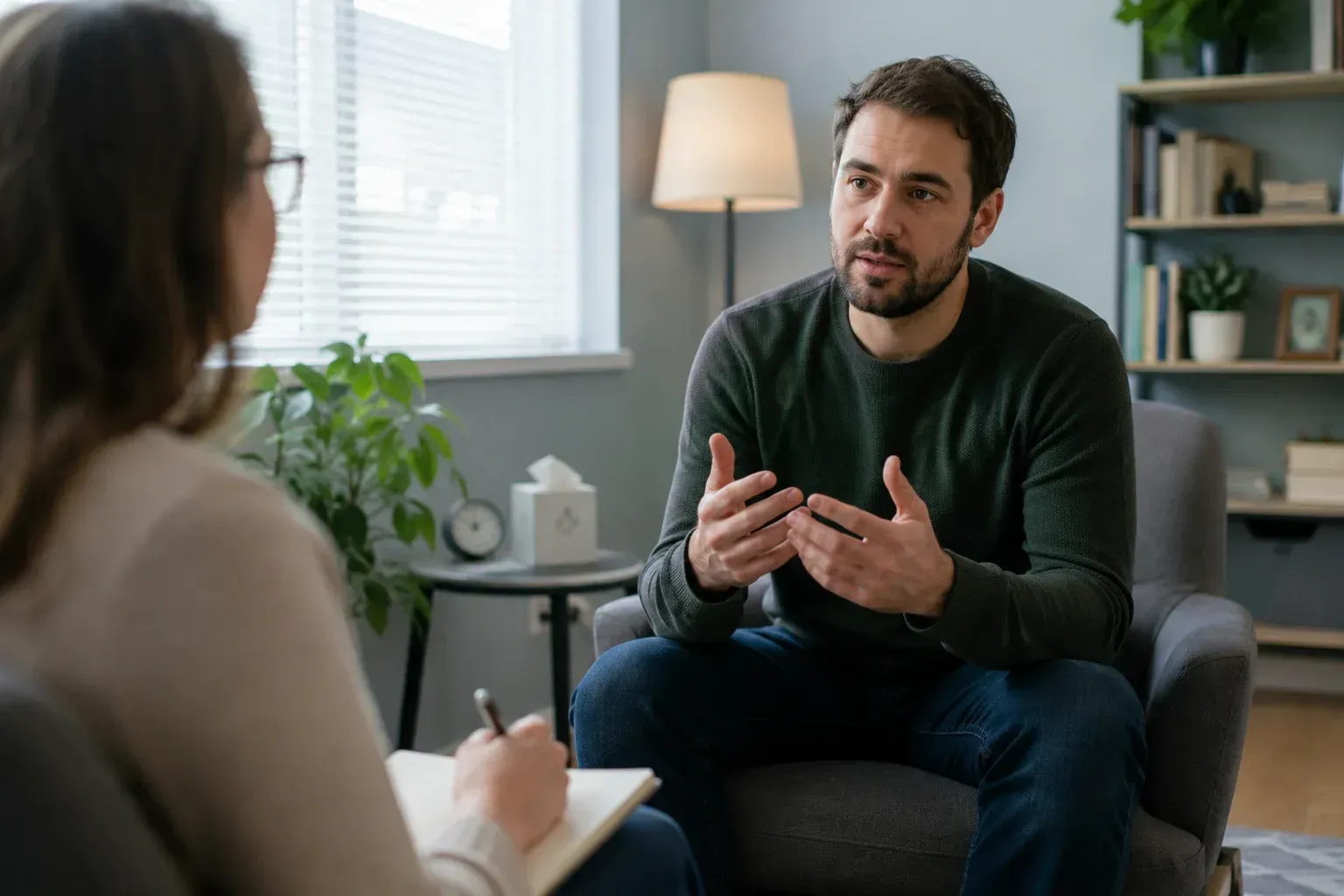
When couples come into couples therapy, one of the first things we do is slow everything down. We take the pace of conversations that usually escalate within seconds and stretch them out long enough for partners to actually hear one another.
Here’s what often happens:
- One partner starts expressing a concern.
- The other partner hears criticism, not concern.
- Instead of responding to the actual message, they respond to their own interpretation.
This instantly derails the entire conversation.
One couple we worked with had a habit of ending every conversation with someone walking away frustrated. Their exchanges lasted less than a minute before both felt attacked. After a few sessions, something cracked open. They realized they weren’t fighting about chores or schedules—they were fighting because one felt unappreciated and the other felt overwhelmed. When communication improved, resentment softened.
Small changes like this completely transform the relationship. And when we catch these patterns early, before years of hurt rewrite the story, couples tell us they suddenly feel closer than they’ve felt in a long time.
Understanding Emotions So Conflict Doesn’t Become the Default
A big part of preventing long-term relationship conflict is learning how emotions operate—not just your partner’s emotions, but your own. When we talk to couples, it becomes clear that emotional awareness isn’t something most people actively practice. And that’s not their fault; it’s simply not something we’re naturally equipped with.
We help couples notice patterns they didn’t know existed. Maybe one partner withdraws whenever they feel criticized, not because they don’t care, but because withdrawal was always their safest emotional strategy growing up. Maybe the other partner raises their voice not out of anger but out of anxiety and urgency.
When you understand your own emotional landscape, you communicate with more intention. When you understand your partner’s, you respond with more compassion.
There’s a moment in therapy that we always look for—when someone suddenly understands the emotional reasoning behind their partner’s reaction. It’s small but powerful. You can almost see the tension fall off their shoulders. Understanding each other’s feelings doesn’t magically solve every disagreement, but it changes the way couples handle them.
Without that understanding, even minor issues become volatile. With it, conflict becomes manageable.
The Practical Tools We Use to Keep Small Issues From Becoming Big Ones
In relationship counseling, we don’t just talk about feelings. We teach couples how to handle real situations in ways that reduce stress, prevent escalation, and encourage cooperation.
Some of the tools we use include:
Repairing conversations before they spiral
We show couples how to pause a conversation the moment it becomes unproductive and return to it later with clarity instead of frustration.
Building better timing
Not every conversation should happen after a long workday or during stressful moments. Timing is often half the battle.
Understanding tone and impact
A neutral message delivered with the wrong tone becomes a fight. When couples learn to match their tone with their intention, communication becomes smoother.
Redirecting assumptions
Assumptions are the foundation of most long-term conflict. Clarifying them early saves couples years of misunderstanding.
These aren’t abstract concepts—they’re practical tools we walk through in session, step by step, until they become second nature. And we’ve seen how these tools shape relationships for the better when applied early.
Why Early Guidance Strengthens Commitment and Emotional Safety
There’s a certain relief that comes from addressing issues before they grow. Couples often tell us that early couples therapy makes their relationship feel lighter, more aligned, and more hopeful. The emotional pressure that had been building begins to ease.
When couples come to therapy before they’re overwhelmed, they tend to be more willing to listen, more open to growth, and more capable of empathy. We’ve witnessed couples rediscover parts of their connection they thought they lost—playfulness, affection, trust.
It’s not that early counseling prevents all future conflict; relationships will always have disagreements. But what changes is how couples move through them. Instead of walking on eggshells or bracing for a fight, they begin approaching each other with curiosity and patience. Conflicts become conversations, not battles.
This early groundwork protects the relationship long-term. It also creates emotional safety, which is the bedrock of lasting closeness.
Signs It’s Time to Reach Out for Help
People often ask us how they’ll know when it’s time to seek therapy. Our answer is simple: it’s time the moment you sense distance, tension, or confusion you can’t resolve on your own.
Here are some early signs that counseling could be helpful:
- Conversations repeat without resolution
- One or both partners feel misunderstood or dismissed
- Emotional closeness starts to fade
- Small problems feel bigger than they should
- Stress outside the relationship begins affecting it
- You feel like you’re losing your footing as a couple
It doesn’t need to be a crisis. In fact, we prefer it not to be. The earlier couples come in, the more smoothly the process unfolds.
Final Thoughts You Can Take With You
Early relationship counseling gives couples the chance to strengthen their connection before challenges become entrenched. Instead of waiting until arguments feel unbearable or distance becomes the norm, seeking support early helps preserve warmth, trust, and understanding.
If you're ready to take the next step toward clarity and connection,
Lexington Therapy is here to guide you. You can explore more on our website, check out helpful insights like our
Couples Therapy Lessons on Love & Respect article, or reach out through our contact page. We’re committed to helping you rebuild, reconnect, and move forward with confidence and compassion. You can also call us at
(859) 935-1707 or email
kara.debra2021@gmail.com anytime.
Frequently Asked Questions
What makes early couples counseling more effective than waiting for bigger problems?
Early couples counseling helps partners identify emotional patterns and miscommunication before they turn into major relationship conflict. Addressing issues sooner means sessions stay calmer, clearer, and more productive.
How can relationship therapy improve communication between partners?
Relationship therapy slows conversations down, helping couples understand intentions instead of reacting to assumptions. This shift leads to healthier dialogue and fewer misunderstandings.
Can counseling help if one partner feels disconnected but the other doesn’t?
Yes. Counseling for relationship issues often uncovers emotional needs or stressors that weren’t obvious to both partners. Therapy gives each person space to express their experience without blame.
What if our arguments seem minor—should we still try couples sessions?
Even small disagreements can grow into long-term conflict if they happen repeatedly. Couples sessions help identify what’s underneath the recurring tension before it becomes harder to resolve.
How does therapy support couples who struggle to express their emotions?
Therapists guide partners through emotional awareness exercises, helping them understand why certain reactions happen and how to express feelings more clearly. This reduces escalations and builds stronger connection.
Related Posts